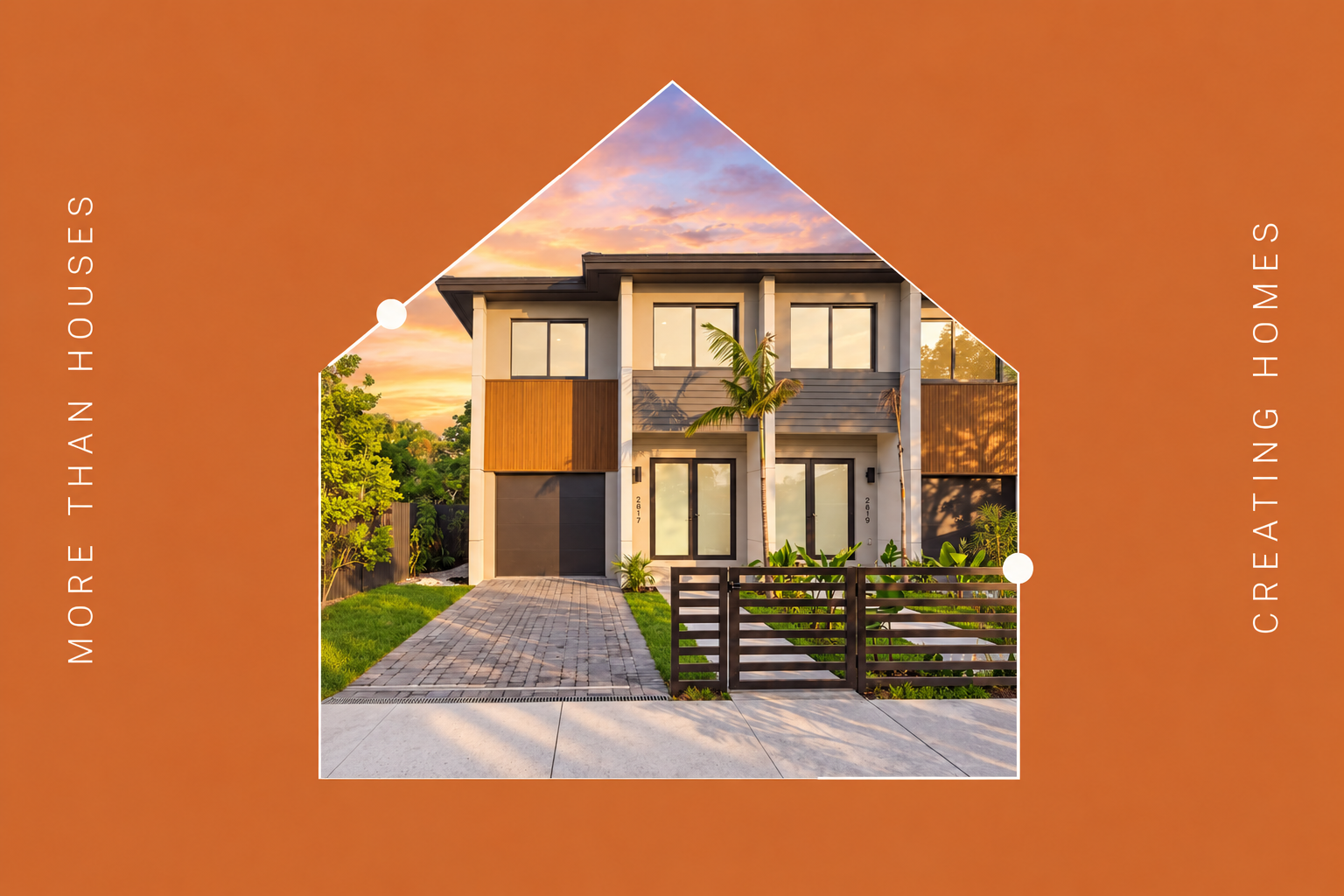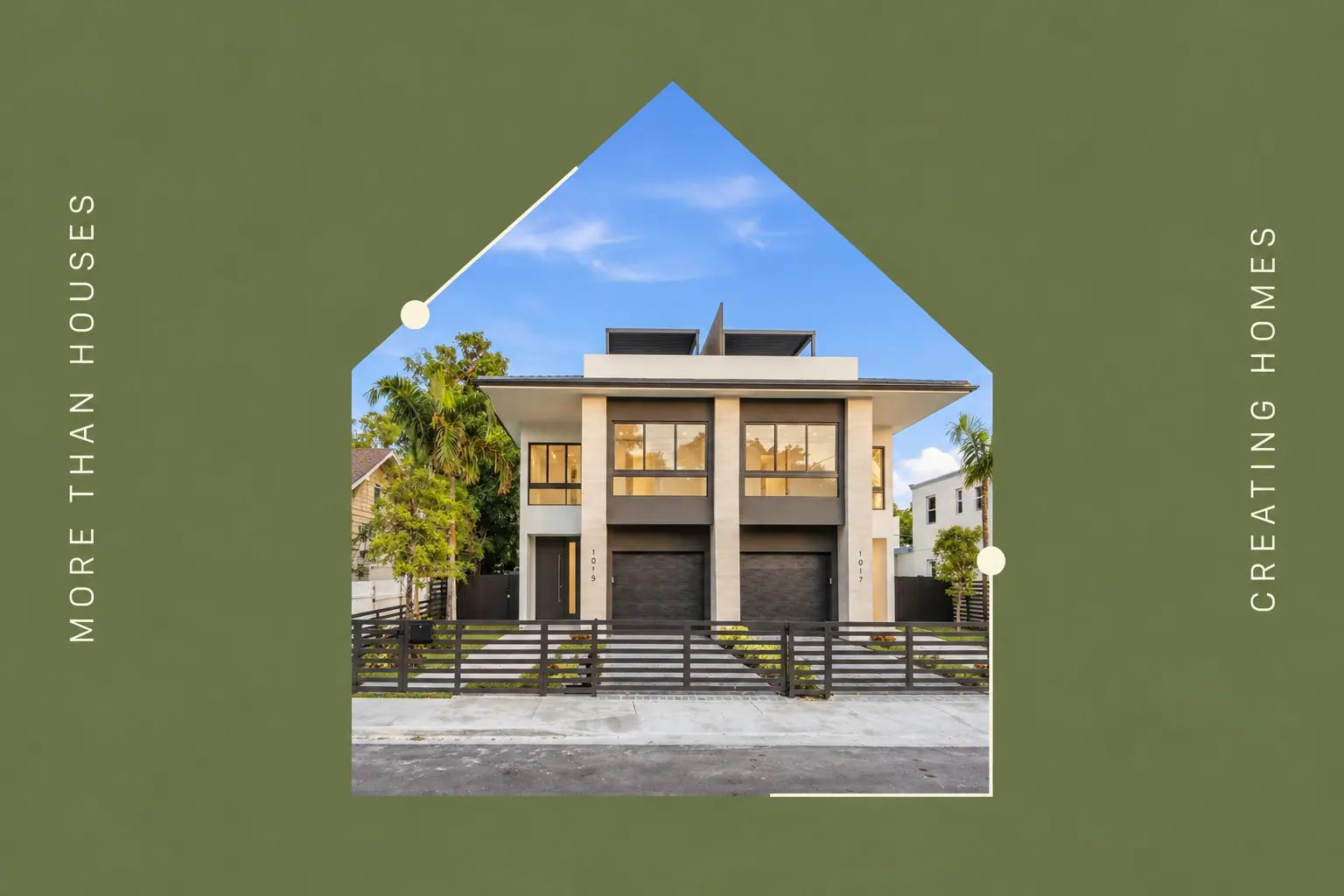
The honest answer: a finished home doesn’t automatically look like its renderings. Whether it does comes down entirely to the builder. A render is a beautiful image with no obligation attached to it. The way to protect yourself isn’t to trust the picture — it’s to check whether the company behind it has a habit of delivering exactly what they drew.
Renderings are how nearly every pre-construction home gets sold. Perfect light, mature landscaping, materials at their absolute best. And on their own, they promise nothing. The distance between a glossy render and the house that eventually shows up is where buyers get burned — and it’s the number-one reason people are nervous about buying something that doesn’t physically exist yet.
That nervousness is healthy. Let’s turn it into a checklist you can actually use.
Why the render and the reality sometimes drift apart
A rendering gets made early, when a project is still an idea. The gap usually opens up in a few predictable places: a builder quietly swaps specified materials for cheaper ones after you’ve signed, a vague contract never pinned down the finishes in the first place, or the render was only ever a sales tool and the real decisions got made later, without you in the room.
Notice that none of those are accidents. Every one of them is a choice the developer makes. Which is the whole point:
You’re not really evaluating the render. You’re evaluating the people who will decide whether to honor it.
How to tell if a builder delivers what they show
1. Ask for same-angle proof — and watch what happens
The single most useful thing a developer can hand you is a photo of a finished home taken from the exact angle of its original render, side by side. Do the proportions match? The materials? The way light lands on the façade? That’s evidence, not a promise. And if a builder gets vague when you ask for this from past projects — that hesitation is your answer.
2. Judge them on what they’ve delivered, not what they’re selling
Anyone can market a project that isn’t built. Ask which homes the company has actually finished and handed over. Go stand in one if you can. A track record is the closest thing you have to a crystal ball for your own outcome.
3. Read the spec sheet, not just the brochure
The brochure exists to make you feel something. The specification sheet exists to protect you. It should name materials, finishes, appliances, and fixtures — and spell out what happens if something specified becomes unavailable. When a builder writes that down in detail, they’re telling you they intend to be held to it. We think this matters so much that we rebuilt our entire purchase contract around transparency.
4. Listen to how they talk about the render
This one’s subtle and it’s the most revealing. A developer who says “well, the render is just a reference” is quietly lowering your expectations before you’ve even signed. A developer who treats matching the render as the standard is telling you how they build. Words leak.
The rule we actually work by
Inside our team the phrase is simple: a render is only a render — but for us, the render is everything. When a home is done, we photograph it at the same angle as its original drawing and put the two next to each other, because the finished house should be as close to that image as construction physically allows. A render should do more than inspire; it should predict. For someone buying before the walls exist, that predictability isn’t a nice-to-have. It’s the entire deal.
If you want the broader version of this — timelines, financing, reputation, the works — our guide on how to confidently choose a pre-construction developer covers the rest of the vetting process.
Want to see the render-vs-reality proof for yourself?
We’ll show you our finished South Florida homes next to their original renders — same angle, no editing. See our projects, or message us on WhatsApp and we’ll send them straight to you.
Frequently asked questions
Do new-construction homes actually look like the renderings?
They can, but it depends on the developer. A rendering is marketing, not a contract — the builder’s track record of matching their renders is the real signal.
How can I tell if a builder delivers what they show?
Ask for same-angle photos of finished projects, visit completed homes, and make sure finishes are itemized in the contract instead of described loosely.
Is buying pre-construction risky?
The two real risks are timing and whether the result matches the sale. An established developer, a detailed spec sheet, and milestone payments shrink both.
What in the contract protects the final look of the home?
A detailed specification sheet — materials, finishes, fixtures, and how substitutions are handled — protects you far more than a rendering does.