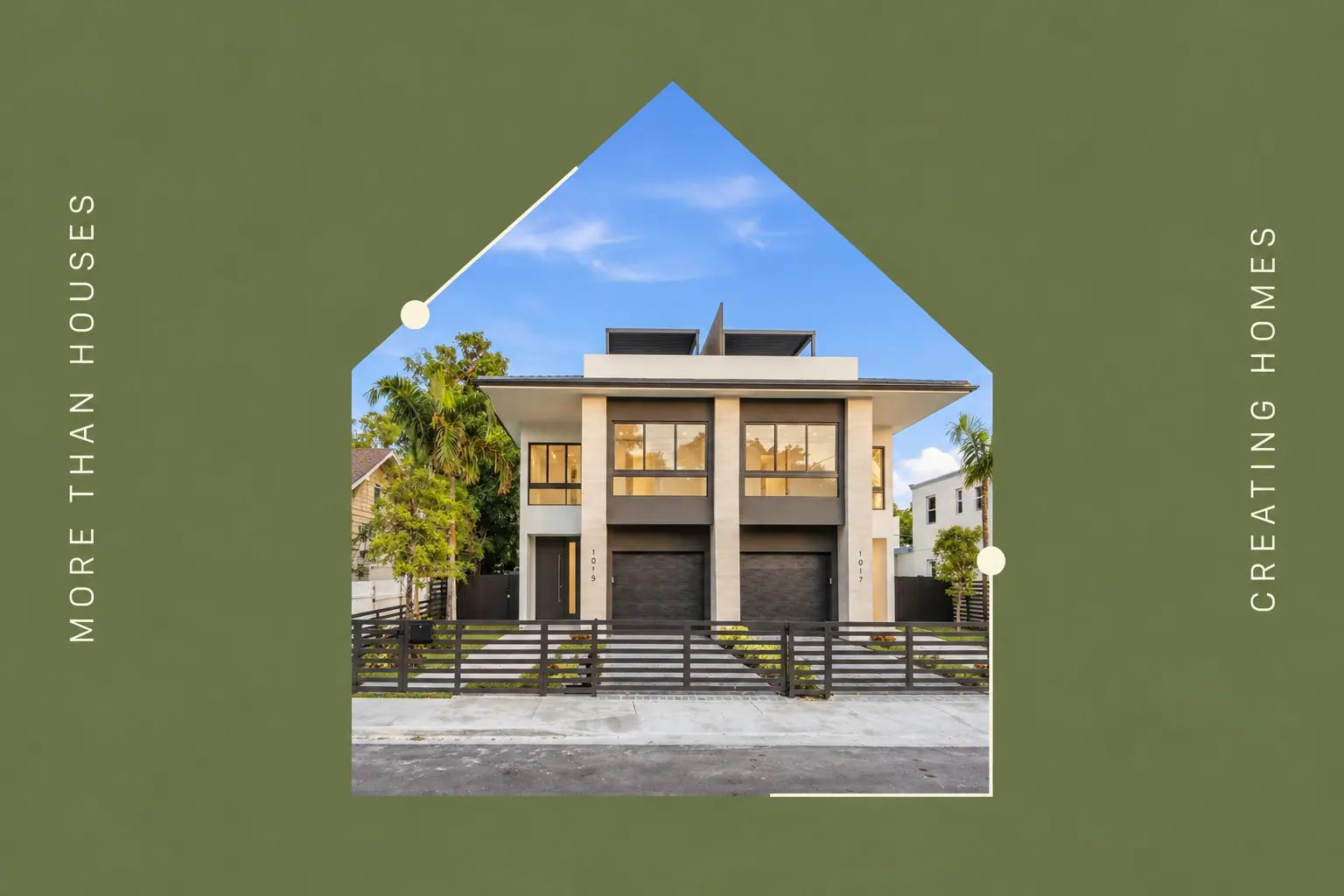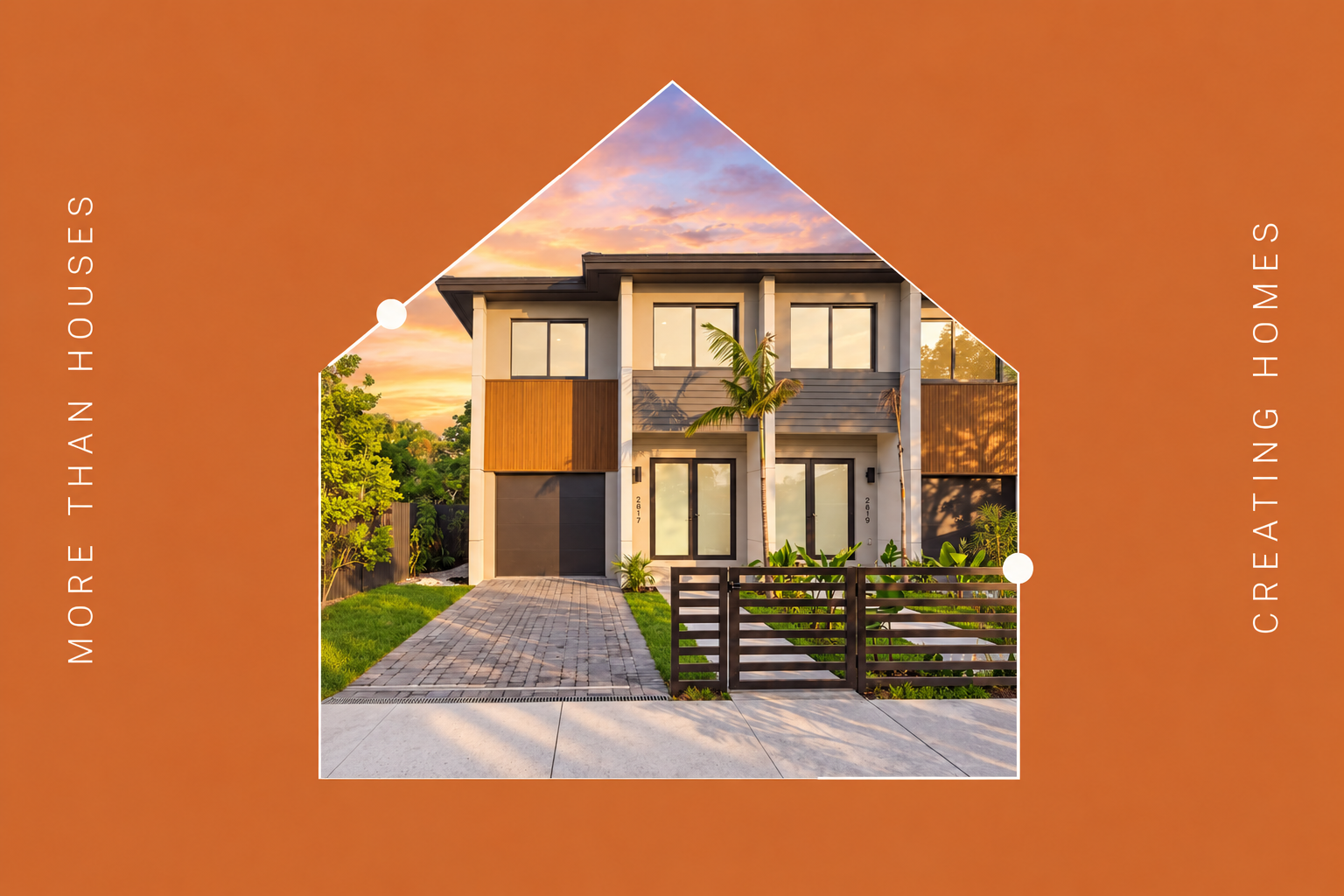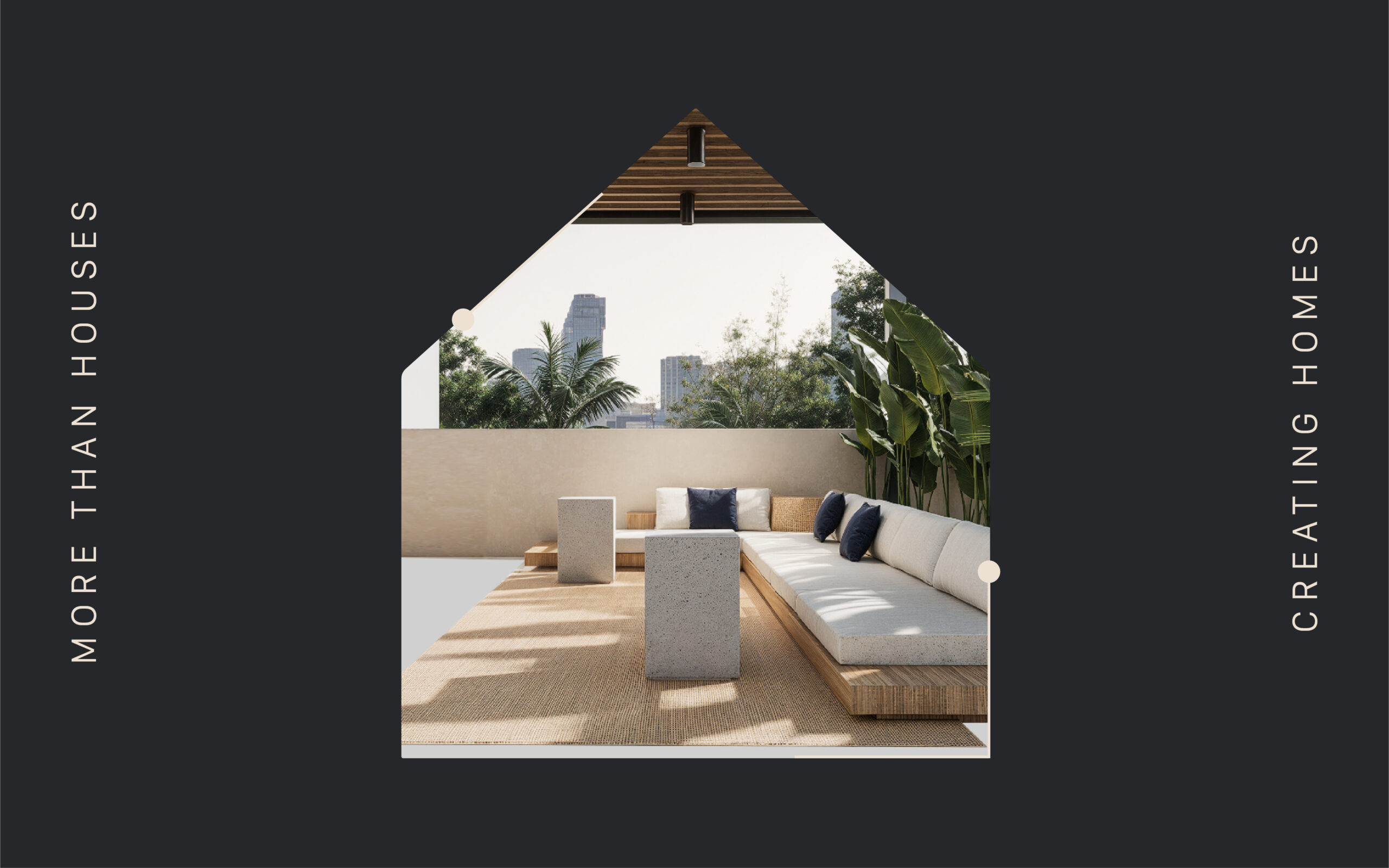
Miami is no longer just a luxury market, it is a global design and capital hub.
As we move into 2026, construction trends in Miami and South Florida are being shaped by three structural forces:
- Climate resilience
- Design intelligence
- Buyer sophistication in the $4M+ segment
Luxury real estate above $4,000,000 USD operates under different rules. Buyers in this tier are not simply purchasing property, they are investing in architectural identity, lifestyle performance, and long-term positioning.
Understanding the direction of construction trends in 2026 is essential for buyers, investors, and developers who want to remain ahead of market cycles.
1. Design-Integrated Development Is Replacing Generic Luxury
The most significant shift in Miami luxury construction is the move from “large homes” to design-integrated residences.
In previous cycles, square footage often defined luxury. In 2026, cohesion defines value.
High-end buyers are prioritizing:
- Architectural proportion
- Interior-exterior continuity
- Curated material palettes
- Intentional spatial sequencing
- Interior designer collaboration from concept phase
According to industry insights from: National Association of Home Builders (NAHB) – Design & Construction Trends. Luxury buyers increasingly value layout efficiency and aesthetic harmony over sheer scale.
This is especially evident in Miami, where international buyers compare properties to global markets such as Dubai, London, and Monaco.
At DCR Homes, development begins with architectural and interior collaboration from inception, not as separate phases. The goal is not to build larger homes, but to build coherent living environments.
2. Climate-Resilient Construction Is Now Baseline in Florida
Florida’s regulatory landscape continues to evolve in response to climate realities.
By 2026, resilience is no longer optional, it is embedded in luxury expectations.
Construction trends include:
- Impact-rated glazing systems
- Reinforced roofing assemblies
- Elevated slab design in flood-sensitive zones
- Advanced stormwater drainage engineering
- High-performance insulation and envelope systems
All projects must comply with: Florida Building Code (FBC)
The difference in the luxury segment is how resilience is integrated. Forward-thinking developers design structural protection seamlessly within architectural form, avoiding visible retrofits or reactive upgrades.
DCR Homes incorporates climate-conscious engineering at the structural planning phase, ensuring durability without compromising aesthetics.
3. Smart Home Integration as an Invisible Standard
In 2026, smart home systems are no longer considered luxury add-ons in Miami, they are structural expectations.
Trending integrations include:
- Whole-home lighting automation
- Intelligent climate zoning
- Integrated security systems
- Remote monitoring capabilities
- Energy consumption tracking
Research from: Zillow Research – Smart Home Buyer Preferences shows that buyers in higher price brackets are increasingly willing to pay premiums for integrated smart systems.
However, the sophistication of 2026 lies in invisibility. Technology must be embedded within design, not disrupt it.
At DCR Homes, automation infrastructure is integrated early in design development, ensuring seamless implementation rather than post-construction retrofitting.

4. Indoor–Outdoor Architecture as Structural Lifestyle Design
Miami’s climate allows year-round outdoor living, but in 2026, this trend evolves beyond traditional patios.
Emerging elements include:
- Retractable glass wall systems
- Outdoor kitchens integrated with primary entertaining zones
- Covered terraces engineered for climate control
- Seamless flooring transitions
- Biophilic design integration
Luxury buyers are investing in experiential architecture, homes that expand beyond interior walls.
In high-value markets, indoor–outdoor cohesion directly influences valuation and buyer perception.
Projects that integrate this philosophy from the conceptual phase demonstrate stronger pricing resilience during market adjustments.
5. Sustainable Luxury Without Compromise
Sustainability in Florida is increasingly tied to regulatory alignment and buyer awareness.
Key 2026 trends include:
- High-efficiency HVAC systems
- Solar-ready structural planning
- Low-consumption plumbing systems
- Sustainable sourcing of materials
- Energy-efficient glazing performance
Guidelines and performance frameworks are influenced by national standards such as: U.S. Department of Energy – Residential Efficiency Guidelines. Luxury buyers now associate sustainability with engineering intelligence rather than sacrifice.
Design-driven developers integrate sustainability invisibly, ensuring environmental performance without altering architectural identity.
6. Market Positioning in the $4M+ Segment
Construction trends influence valuation differently in the luxury tier.
Properties that reflect forward-looking design and engineering:
- Retain value more effectively during market stabilization
- Appeal to global buyers
- Demonstrate architectural relevance
- Require fewer future retrofits
Miami’s luxury market is cyclical. However, design-integrated properties tend to outperform generic builds during correction phases.
This is particularly relevant in neighborhoods where spec inventory competes aggressively for premium positioning.
Why Forward-Thinking Development Matters
In Miami’s competitive landscape, reacting to trends is insufficient.
Developers who anticipate structural shifts in climate, technology, and design, position their projects differently.
At DCR Homes, development strategy is anticipatory rather than reactive. Projects are structured around:
- Interior designer collaboration from concept
- Architectural proportion aligned with luxury buyer psychology
- Climate-conscious engineering
- Cohesive material narratives
- Integrated smart-home infrastructure
Explore DCR Homes current projects and design philosophy
Rather than layering features onto finished structures, DCR Homes integrates these principles from inception.
This approach supports long-term valuation, particularly in properties positioned above $4M.
Strategic Takeaway for Luxury Buyers and Investors
Construction trends in Miami for 2026 point toward a clear conclusion: Luxury is becoming more intentional, more resilient, and more design-integrated.
For buyers and investors in the $4M+ segment, the most critical decision is not simply location, it is selecting a developer whose process anticipates structural shifts.
Homes built with forward-thinking architectural logic and integrated design maintain stronger relevance across cycles.
Exploring luxury real estate opportunities in Miami or South Florida?
Understand how design intelligence, climate resilience, and construction strategy shape long-term property value.
Learn more about DCR Homes and our design-driven development philosophy